
OEM/ODM Project Support
OEM/ODM Stainless Steel Smart Lock Manufacturer in China
SivoLock supports brand owners, distributors, door factories and project buyers with private-label smart lock work based on a confirmed product family, real door conditions and sample approval.
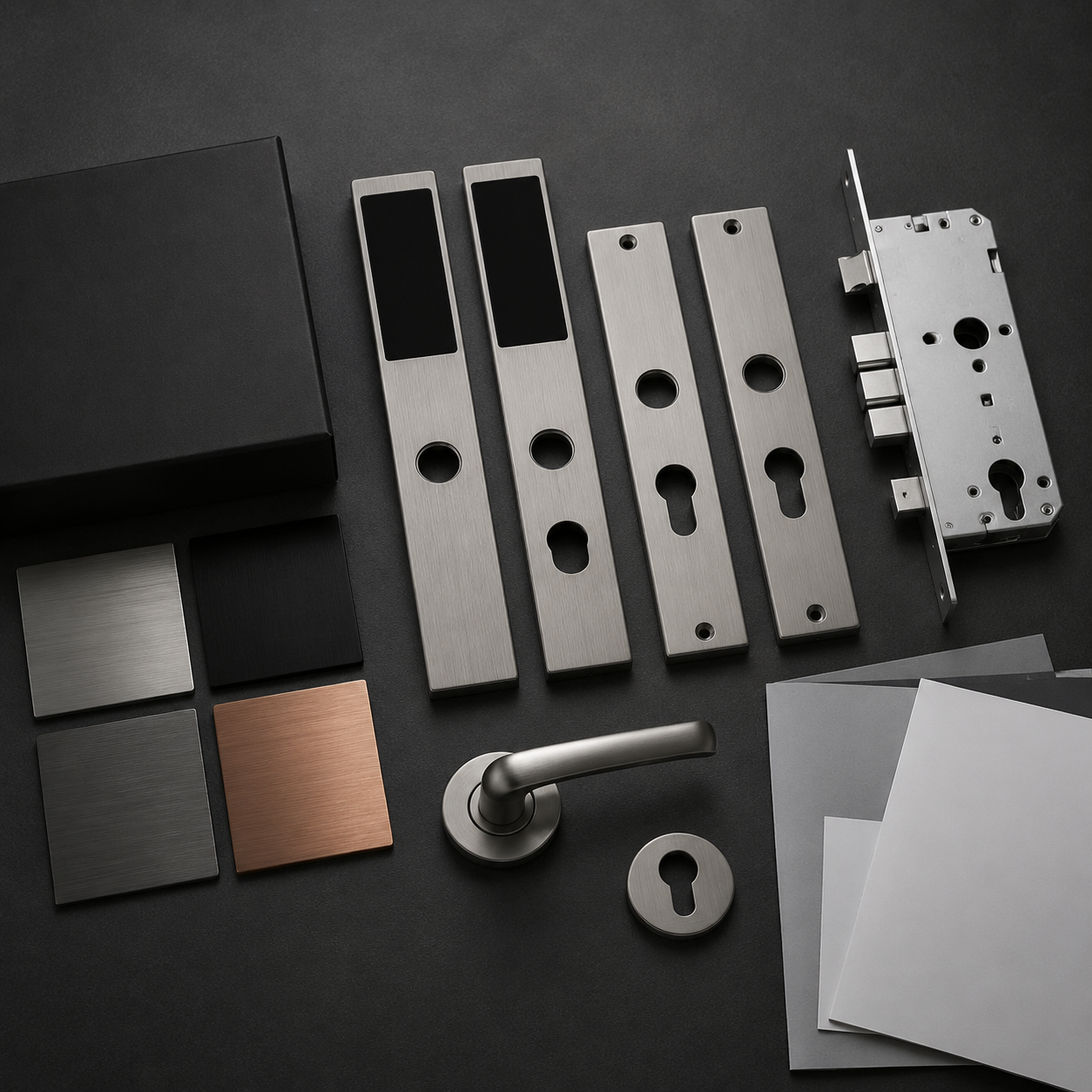
Confirm door type, market and base model before private-label details.
Logo, packaging, manual and finish are checked against model, MOQ and quantity.
Panel design, mortise, app option and function package vary by selected model.
Final files, report needs and packing details are confirmed before batch release.
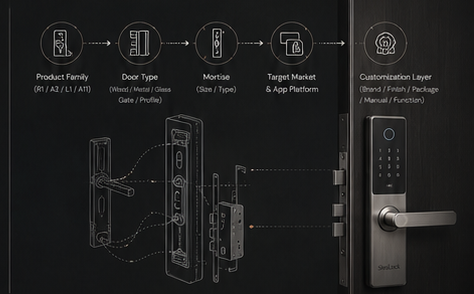
Door Data Before Model Names
OEM/ODM development follows a step-by-step review process.
Start with the buyer type, target market, door conditions and base product family, then review which choices belong to branding, hardware, software, sampling and production.
Brand owner, distributor, door factory, contractor, importer or project buyer.
R-series, A2, L1, A11, lever or accessories option selected by door and market.
Logo, packaging, manual, finish, panel, mortise, app option and function package.
Sample approval, artwork, reports, quantity, target market and timeline.

Customization Scope
What can be discussed after the base model is selected.
Customization is reviewed by selected model, quantity and technical feasibility; available options are confirmed for each SKU.
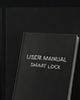
OEM / Custom / ODM
Choose the right development depth.
A logo project, a configuration change and a new development request need different review work, sample control and commercial confirmation.
Standard OEM
For buyers who want to start from an existing SivoLock product family with brand and packing adjustments.
- Logo, label, manual language and packaging can be discussed after the base model is selected.
- Standard samples help confirm appearance, door fit and function package before customized packing.
- MOQ and lead time depend on the selected model, quantity and branding requirements.
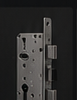
Configuration Customization
For projects where door structure, finish, mortise, app option or function package affects the final supply scope.
- Door drawings, mortise details, finish direction and target market help review feasibility.
- Function package and app options are confirmed by selected model and final configuration.
- Sample approval can lock the agreed finish, function mix, packing details and report needs.
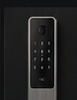
ODM Development
For deeper development requests that may involve appearance changes, tooling, electronics or software review.
- New appearance, tooling, electronics, firmware or app work requires separate feasibility and cost review.
- Development fee, MOQ, timeline and engineering scope are confirmed case by case before commitment.
- Approved samples and final files are used as the reference for production release.
OEM/ODM Scope Console
Choose the customization question before asking for a quote.
Different OEM/ODM requests need different files. Use this console to focus the buyer brief before SivoLock reviews model fit and feasibility.
Then choose the strongest customization option. The scope can involve brand files, hardware feasibility, software functions or sample approval.
Use this option when the buyer mainly needs logo placement, box design, label language and manual branding after the base model is selected.
Use this option when the visible hardware, finish, door structure or lock body choice affects whether the customization is realistic.
Use this option when the buyer needs a specific app platform, unlock method mix, accessories or function package before sampling.
Use this option when the buyer is ready to move from a scoped model to sample review, final files, QC checks and delivery planning.
Base brief
- Buyer role, target country, quantity and timeline
- Selected model or preferred product family
- Door thickness, frame data, mortise or installation photos
- Logo, finish, app, packaging and report expectations where relevant
Files to prepare
- Vector logo artwork
- Logo placement preference
- Box or label reference
- Manual language list
Scope signals
- Logo
- Packaging
- Manual
Files to prepare
- Door thickness and frame data
- Finish sample or color target
- Panel direction
- Mortise or lock-body requirement
Scope signals
- Finish
- Panel Design
- Mortise
Files to prepare
- App platform expectation
- Unlock method list
- Gateway or accessory needs
- Target user workflow
Scope signals
- App Option
- Function Package
Files to prepare
- Quantity and timeline
- Approved sample reference
- Final artwork files
- QC and packing requirements
Scope signals
- Sample approval
- Mass production
- Final files
Product / Model Mapping
OEM/ODM product directions by door evidence.
Use the oem/odm scenario to connect door-fit checks, buyer workflow and selected-model evidence before sampling.
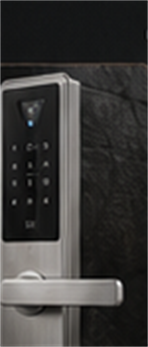
R-Series Direction
Premium biometric platform for selected private-label entrance projects.
View R-Series Direction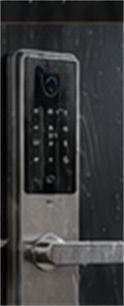
A2 Outdoor Direction
Outdoor/waterproof platform when exposure and report needs are confirmed.
View A2 Outdoor Direction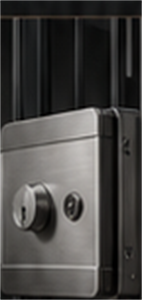
L1 Rim / Gate Direction
Rim and gate platform for selected surface-mounted or gate projects.
View L1 Rim / Gate Direction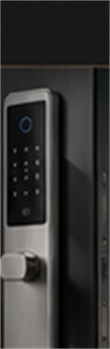
A11 Profile Direction
Profile-door platform where frame width and lock body space drive the selection.
View A11 Profile DirectionProduct Options
Representative platforms for model selection.
Use these product options to compare hardware shape, installation method and selected-model evidence before sampling.
Project Workflow
OEM/ODM review path from inquiry to quotation.
Each step keeps the oem/odm recommendation tied to real door data, selected-model specifications and quotation evidence.
Buyer type, target market, door data, quantity and preferred product family.
Functions, app option, finish, logo, packaging and report expectations.
Prepare and approve sample where model and feasibility allow.
Release final files, packing details, QC checks and delivery plan.
Buyer Checklist
OEM/ODM details to prepare before review.
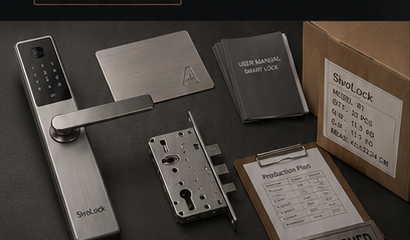
Prepare the oem/odm door context, target market and customization scope before final model confirmation.
Brand and market
Company role and target country Quantity and timeline Report/certificate expectationsDoor and model
Door material and thickness Mortise or frame data Preferred product platformCustomization files
Logo artwork and position Packaging/manual language Finish, app and function packageBuyer FAQ
OEM/ODM questions before quotation.
Answers stay tied to selected model, door structure and final configuration so buyers can avoid broad unsupported claims.
What can be customized for OEM smart locks?
Logo, packaging, manual, finish, panel design, mortise, app option and function package can be discussed depending on model, quantity and requirements.
Can SivoLock develop a new ODM smart lock?
ODM discussions may be possible, but feasibility, tooling, electronics, app platform, MOQ, timeline and cost must be reviewed before commitment.
Can every model use TTLock or Tuya?
No. App options may vary by selected model and configuration. Confirm platform requirements early.
Related Buyer Guidance
Continue with the guide that owns the evaluation method.
Use the OEM project checklist to prepare model scope, functions, branding, packaging, documents, quantity, and approval steps for review.
Next Step
Send oem/odm door data for model matching.
Share the oem/odm scenario, door dimensions, target market, quantity and customization needs so SivoLock can shortlist the right product direction.