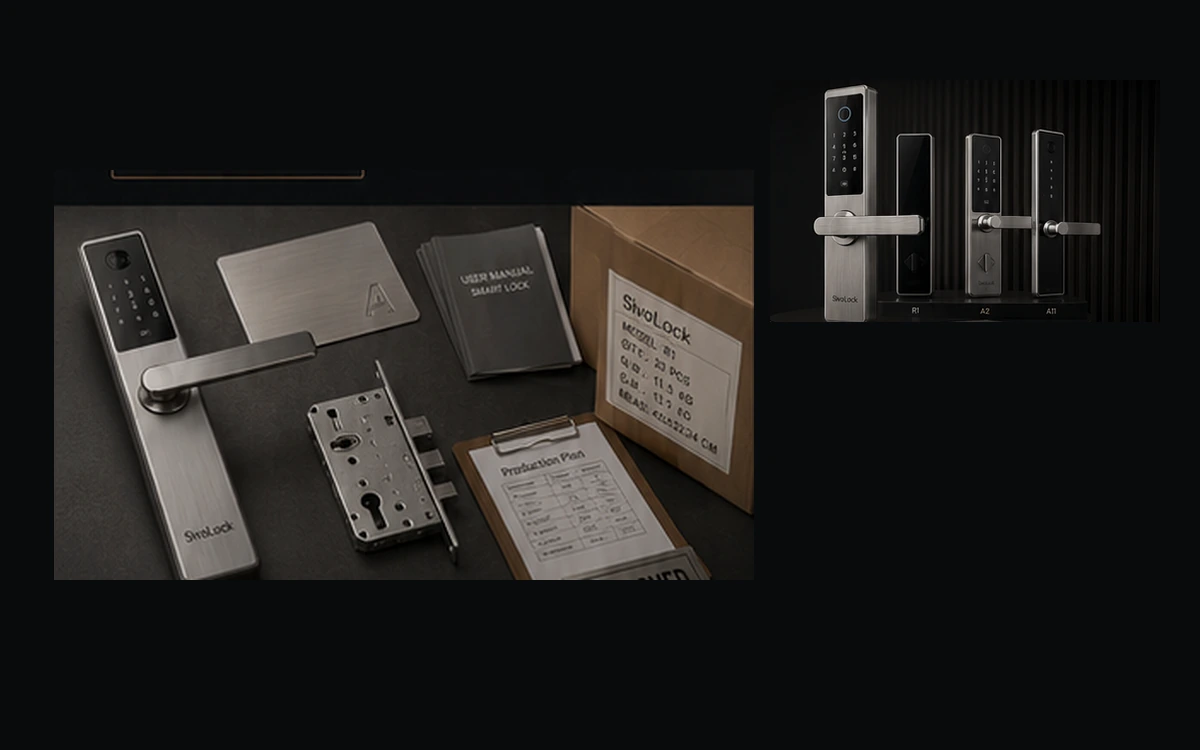
OEM/ODM Capabilities
Smart Lock OEM/ODM Capabilities From Platform to Production
SivoLock supports private-label, platform-based customization and product-development projects for stainless steel smart locks. Buyers can start with an existing model, adapt branding and configuration, or review deeper appearance, structural and tooling work where the project scope supports it.
Our product-development team supports appearance design, structural review, mould development, sample preparation and the transition from an approved sample to batch production. Feasibility, MOQ, tooling, schedule and available functions are confirmed against the selected platform.
Explore Smart Lock Models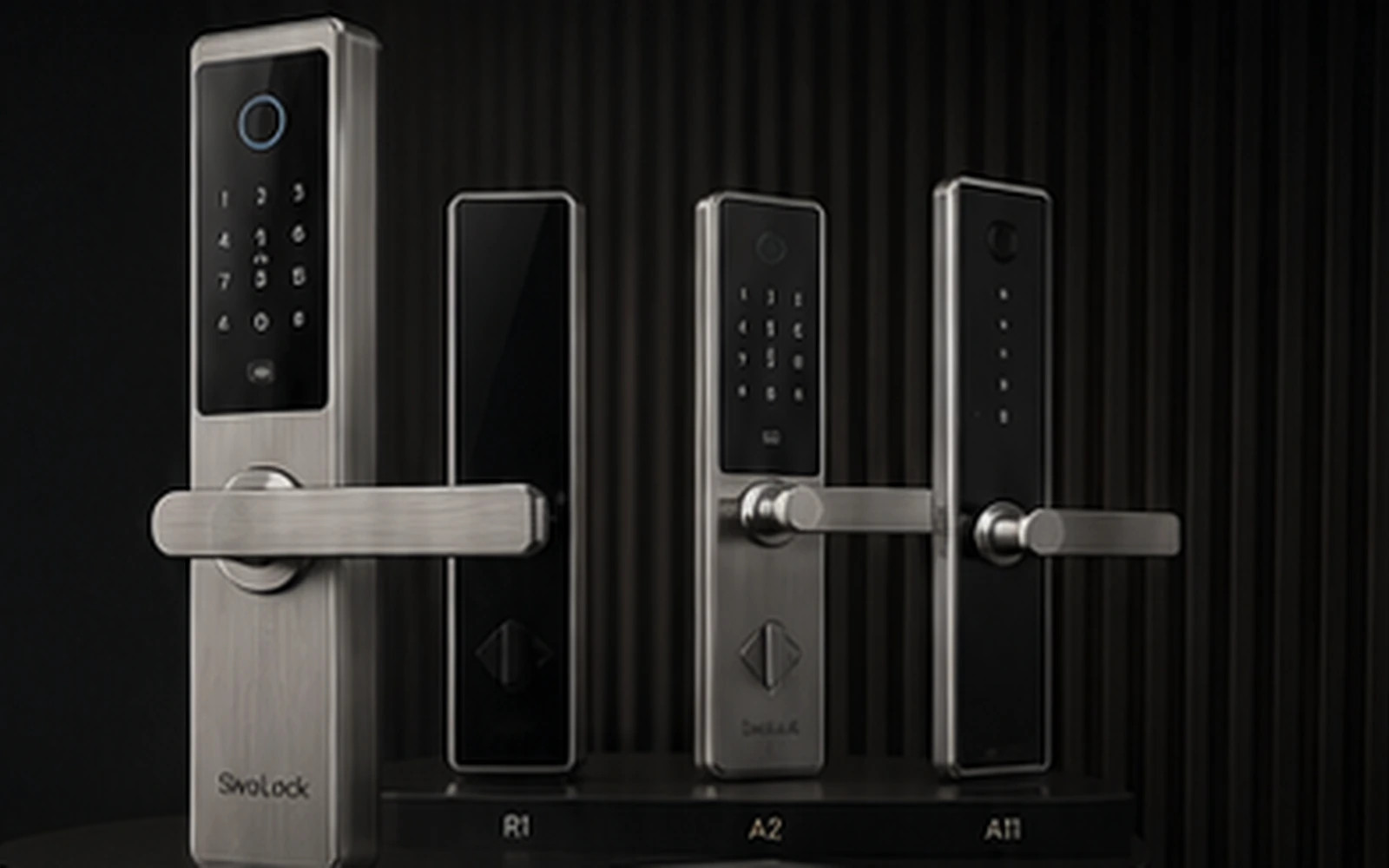
Capability Overview
Customization Can Begin at Different Levels
Projects can start from an existing model, platform configuration or deeper product development. Cost, MOQ and lead time depend on the selected scope.
Existing Product Platforms
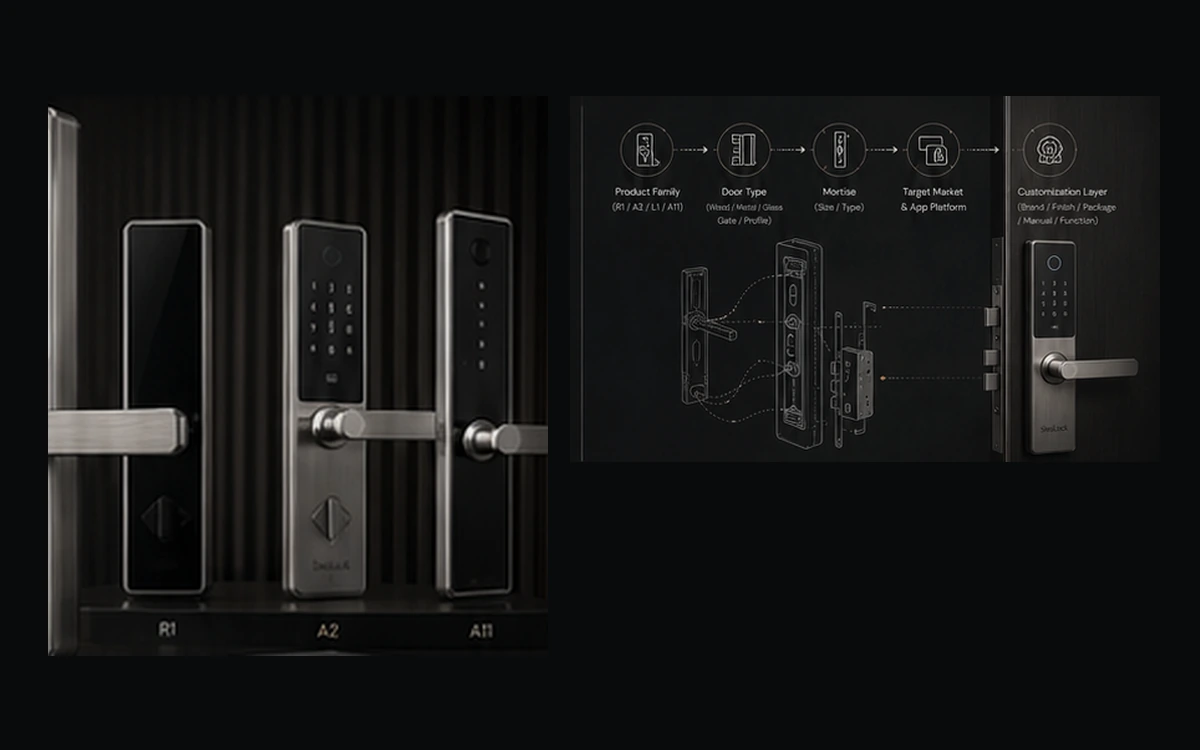
Face-recognition, automatic, waterproof, profile-door, apartment, hotel, lever and mechanical lock platforms provide the starting point for most projects.
Brand and Market Adaptation
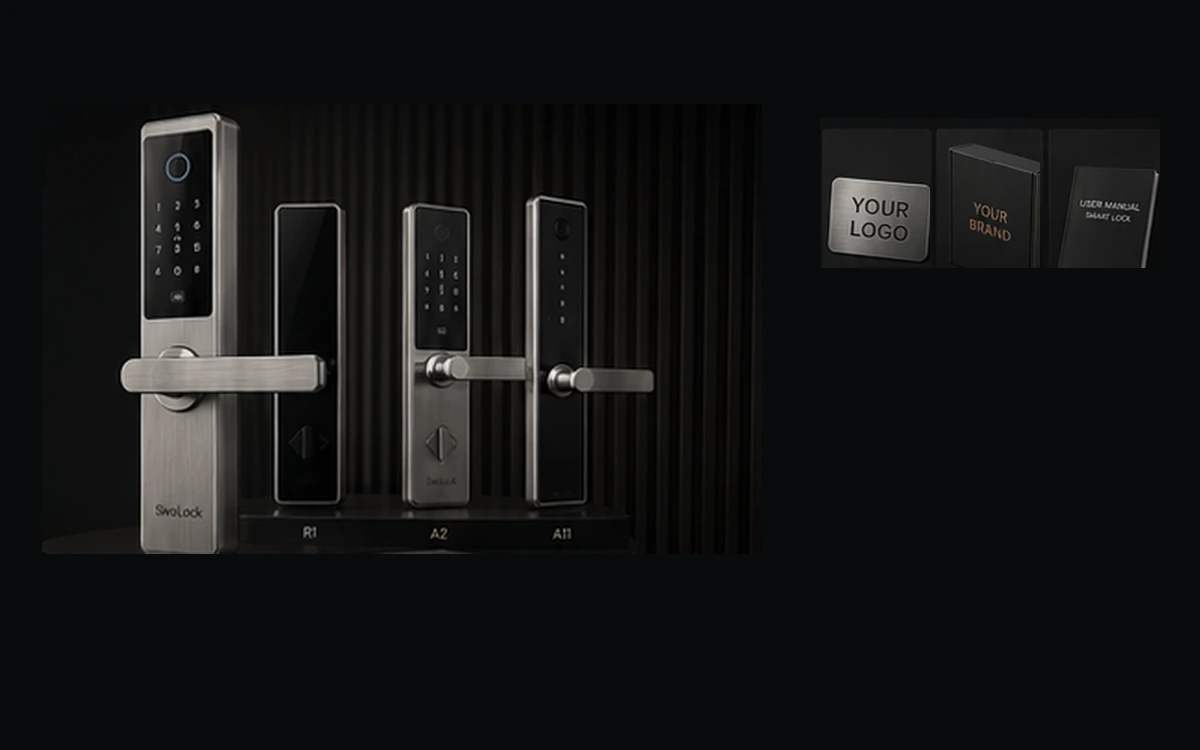
Logo, finish, manuals, packaging, labels and market-specific accessory requirements can be reviewed for private-label orders.
Product Development
Appearance design, structural development, mould development and sample preparation can be evaluated when an existing model does not fully match the project.
Sample-to-Production Transition
Approved samples and confirmed specifications provide the reference for pilot and batch production.
Customization Routes
Choose the Development Route That Fits the Project
The route depends on the selected platform and the amount of new development required.
Private Label
Distributors, importers, e-commerce brands and smaller market tests.Private-label projects use an existing SivoLock platform with limited changes to visible branding and order presentation. This normally provides the shortest path to sampling and batch production.
- Logo
- Labels and manuals
- Packaging
- Standard finishes
- Available accessories and functions
Platform Configuration
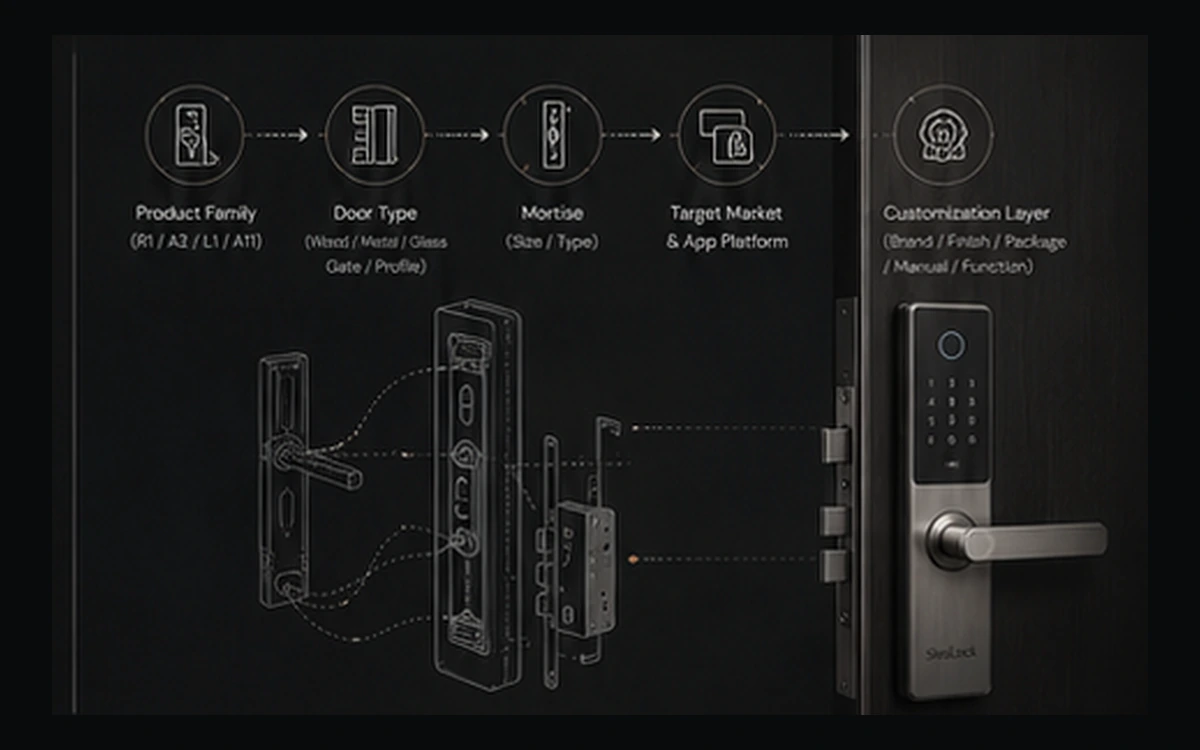
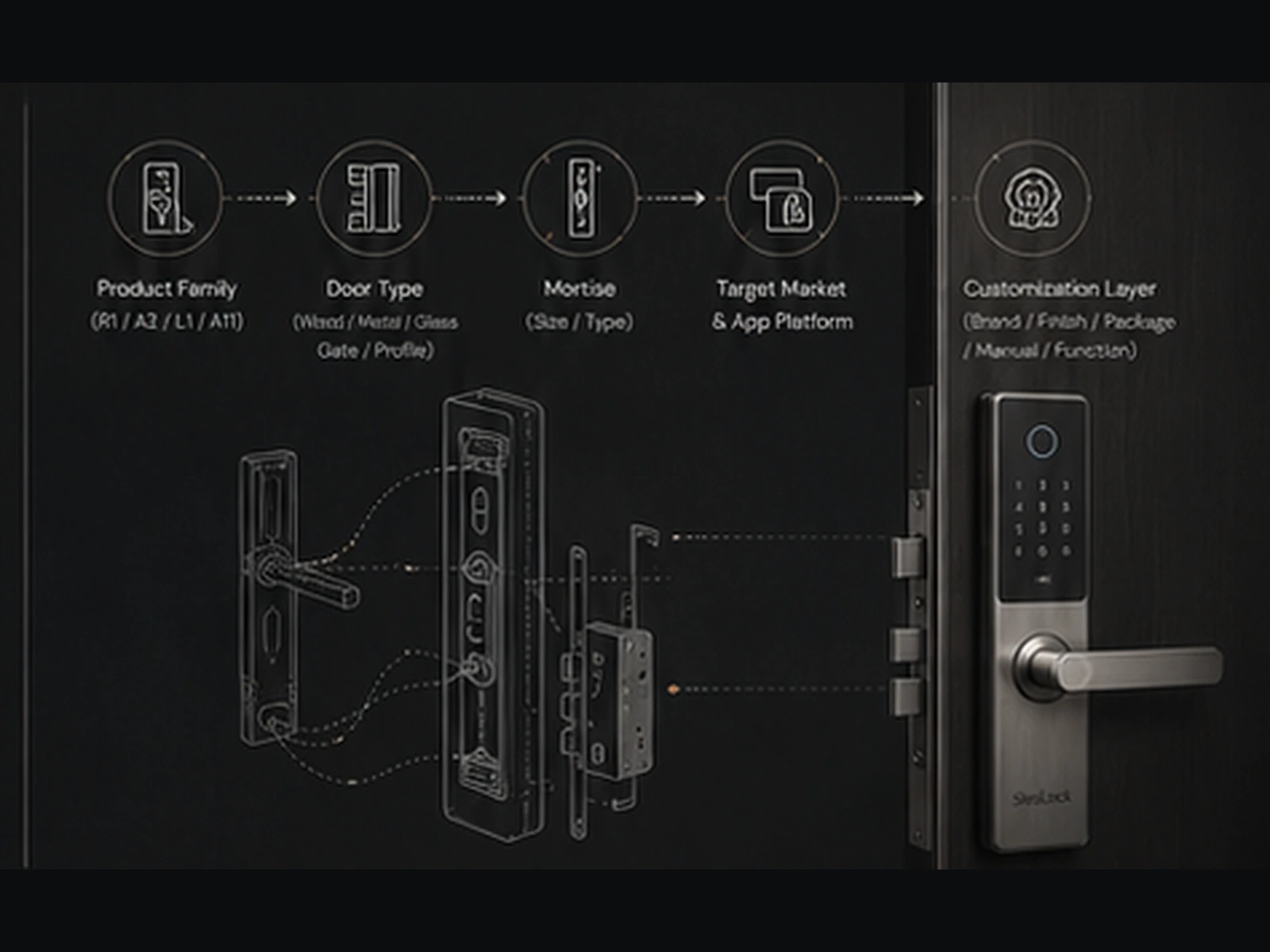
Door factories, engineering suppliers, apartment or hotel system suppliers and buyers with defined door requirements.Platform-configuration projects retain the main architecture while adapting the model to the door, mortise, finish, handle direction, functions, accessories and market presentation.
- Lock body and spindle
- Door thickness and opening direction
- Finish and language
- Function package
- Accessories and packaging
Product Development
Brands with longer-term product plans, dedicated appearance requirements or a need for new structure or tooling.Product-development projects may involve new appearance, structural changes, mould development, prototype preparation and engineering validation. This route requires a separate technical review, tooling plan and project-specific MOQ.
- Appearance design
- Structural changes
- Moulds or fixtures
- Prototype samples
- Engineering validation
Development feasibility depends on the selected architecture, technical risk, expected volume, target cost and required schedule.
Customization Scope
What Can Be Reviewed for an OEM or ODM Smart Lock
Options vary by model. Standard, configurable and new-development requirements should be separated before quotation and sampling.
Logo and Brand Identity
Logo placement, engraving, printing, startup presentation, labels and other visible brand elements can be reviewed by surface and order quantity.
Finish and Exterior Appearance
Standard finishes and listed colour options can be selected by model. Custom colour matching, decorative panels or new exterior parts require separate sample and durability review.
Review smart lock finish optionsMortise and Door Compatibility
Mortise, spindle length, handle direction, cylinder requirements, panel dimensions and door thickness are reviewed against the selected platform and application.
Confirm door and mortise requirementsFunction Package
Fingerprint, PIN, card, face recognition, mechanical key, temporary access, alarm and communication functions are selected from the options supported by the chosen product platform.
App and Software Options
Existing app and communication options can be matched by model. White-label interfaces, dedicated apps, firmware changes, server requirements and system integration require separate technical and commercial review.
Packaging, Manuals and Market Files
Private-label packaging, manuals, labels, accessory lists and selected compliance documents can be prepared for the confirmed model, market and order scope.
Review model-specific quality documentsProduct Development
Engineering Support From Appearance Design to Production Transition
Product development turns a confirmed concept or platform into a sample for batch-production review.
Appearance Design
Exterior proportions, panel layout, handle form, display area, fingerprint position and brand elements can be reviewed for the intended market.
Structural Design
Internal layout, panel structure, component space, fasteners, mortise connection and assembly feasibility are reviewed before structural changes proceed.
Mould Development
New exterior or structural parts may require moulds, fixtures or other tooling. Scope, cost, ownership, maintenance and production use should be confirmed first.
Sample Preparation
Samples follow the confirmed route: standard evaluation, private-label, finish, functional configuration or newly tooled prototype.
Batch-Production Transition
After approval, requirements are organized for purchasing, assembly, inspection, packaging and repeat-order reference.
Development Process
From Project Brief to Approved Batch Production
The workflow links product selection, engineering review, sample approval and batch production.
Project Brief
Confirm market, door application, quantity, target cost, functions and customization level.
Product Platform Selection
Review models and select a private-label, platform-configuration or product-development route.
Feasibility Review
Engineering and commercial teams review structure, mortise, finish, functions, tooling, compliance, MOQ and schedule.
Quotation and Development Plan
Identify the product basis, customization, samples, applicable tooling and batch-production conditions.
Design Files and Sample Preparation
Prepare confirmed logos, artwork, finish references, specifications and functional requirements.
Sample Testing and Approval
Review appearance, configuration, mechanical operation, electronic functions, accessories and packaging.
Pilot or First Production Review
Compare early production units with the approved sample and specification before regular production.
Batch Production and Repeat-Order Reference
Retain approved requirements for batch inspection, packaging and repeat-order review.
Project Planning
What Determines MOQ, Sample Time and Development Cost
OEM and ODM projects do not share one universal MOQ or lead time. The plan depends on the distance from the existing platform.
| Planning Item | What Affects It | When It Is Confirmed |
|---|---|---|
| MOQ | Model, finish, logo, packaging, functions and new components | After customization scope review |
| Sample Type | Standard model, private-label, finish, functional or new-tooling sample | During technical review |
| Sample Time | Available platform, artwork, components, finish and tooling | After files and requirements are confirmed |
| Tooling Cost | New moulds, fixtures, printing plates and dedicated components | Before new-tooling development |
| Production Lead Time | Quantity, material availability, customization and line schedule | After sample approval and order confirmation |
| Compliance Files | Model, electronic platform and target market | After exact model and market are identified |
Existing-model private-label projects normally require less development than custom finishes, structural changes, new moulds or software work. Final MOQ and schedule are confirmed after the exact project scope is reviewed.
Sample-to-Batch Control
Keeping the Approved Configuration Clear During Production
An approved sample is useful when its product and order information remains clear during production.
Approved Product Reference
The reference identifies the model, appearance, finish, mortise, functions, accessories, labels, manuals and packaging.
Confirmed Change Record
Changes after sample approval should be identified and reconfirmed before entering the production reference.
First Production Comparison
Early production units can be compared with the approved reference before regular batch production.
Repeat-Order Preparation
Previous specifications and approvals can support repeat orders, subject to component, software, finish and packaging review.
Buyer Applications
OEM/ODM Support for Different Buyer Types
The capability serves different buyer types, with the starting information and approval path shaped by application.
Private-label and product-development support for brands building a defined smart lock range.
Existing product platforms, local-market packaging and repeat-order references for regional distribution.
Mortise, panel, spindle, door-thickness and project-hardware review for integration with door products.
Configuration and documentation review for apartment, hotel, residential, campus and controlled-access projects.
OEM/ODM FAQ
Questions About Custom Smart Lock Development
Answers about platform selection, development, sampling, software boundaries and batch references.
What can be customized on an existing smart lock model?
Can SivoLock develop a new appearance or structure?
What is the MOQ for OEM or private-label orders?
How long does sample development take?
Can the app or firmware be customized?
How is the approved sample used during production?
Start an OEM/ODM Project
Begin With the Product Platform and Project Brief
Send the market, door application, quantity, preferred model, functions, finish, logo and packaging requirements. SivoLock can review the suitable route, sample plan and next technical steps.
Explore the Jinhua Production Base