Quality & Testing
Smart Lock Quality Control From Components to Final Inspection
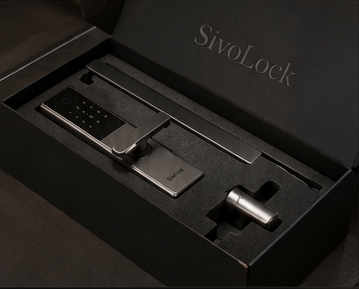
SivoLock quality control covers incoming components, assembly, applicable unlocking functions, appearance and final packing. Every finished lock undergoes model-applicable functional and appearance checks before packing.
The Jinhua production base has door lock function testers, constant-temperature and humidity chambers, salt spray equipment and aging test stations. Long-duration environmental and endurance tests are applied according to the selected model, material, finish and intended application.
Explore Our Factory
Quality Overview
Quality Is Checked Throughout Production
Quality control covers components, assembly, operating functions and outgoing batches through separate checkpoints.
Incoming Components
Stainless steel housings, mortises, motors, electronic modules and accessories are checked before they are released to production.
Assembly Checkpoints
Mechanical movement, wiring, fasteners and component matching are reviewed during assembly.
100% Finished-Lock Checks
Every finished lock undergoes the basic functional, appearance and accessory checks applicable to its confirmed configuration.
Outgoing Batch Audit
Packed batches are sampled to review model identity, quantity, labels, accessories, packaging and selected functions before shipment preparation.
Inspection Process
Quality Checkpoints From Incoming Parts to Finished Products
Each stage has a purpose: incoming inspection covers components, process inspection covers assembly, and final inspection confirms the lock and packing requirements.
Incoming Component Inspection
Incoming inspection reviews component identity, quantity, visible condition and purchasing specifications before materials enter production. Scope may include housings, mortises, motors, electronic modules, wiring, accessories and packaging.
Normal components may be sampled; critical parts, new suppliers and previously nonconforming materials may receive tightened or unit-level inspection.
Pre-Production Reference Confirmation
Before batch production begins, the confirmed model, finish, mortise, functions, accessories and packaging requirements are reviewed as the production reference. A first unit or approved sample can confirm the setup.
New models, line changes, major component or function changes, finish changes and packaging changes trigger a fresh reference review.
In-Process Quality Control
In-process inspection checks assembly against the confirmed product reference, including handle movement, spring return, mortise operation, spindle fit, fasteners, wiring, motor placement and panel matching.
Checks can be scheduled by production time or quantity, with additional review after changes or abnormalities.
Final Quality Control
Every finished lock undergoes the basic functional and appearance checks applicable to its model before packing. The inspection covers configured unlocking, motor and lock-body response, handle operation, emergency access, alarms, power-related functions, appearance and accessories.
Every finished lock is checked for the functions included in its confirmed configuration.
Outgoing Quality Control
Outgoing inspection reviews packed batches for model, quantity, labels, manuals, accessory kits, inner packaging, cartons and selected functions.
Batch acceptance can follow an ISO 2859-1-based sampling plan, while critical finished-product functions remain subject to unit-level inspection.
Inspection Scope
What Is Reviewed Before a Smart Lock Is Packed
The checklist varies by model. Face-recognition, outdoor gate and mechanical project locks do not share the same functions, but each is checked against its confirmed configuration.
Material and Surface Condition
Exterior lock housings across the stainless steel range are made from SUS304 stainless steel. Inspection reviews material scope, surface condition, polishing, cleaning, colour consistency and visible defects. Internal components vary by model and function.
Dimensions and Mechanical Fit
Panel dimensions, mortise matching, handle and spindle fit, fastener positions and panel alignment are reviewed against the product specification.
Mechanical Operation
Applicable checks include handle return, latch and bolt movement, mechanical-key and thumb-turn operation, clutch response and motor-driven locking.
Electronic and Unlocking Functions
Fingerprint, PIN, card, face, Bluetooth, Wi-Fi, app and temporary-access functions are checked only when included in the selected configuration.
Power, Alarm and Emergency Functions
Applicable checks include battery power, low-battery warning, emergency power input, mechanical emergency access and alarms.
Appearance, Accessories and Packing
Final inspection reviews surfaces, screens, keypads, logos, labels, manuals, accessories, mortises, fasteners and packing completeness before the product is released for packing and finished-goods preparation.
Reliability Testing
Testing Equipment for Functional and Environmental Evaluation
Long-duration and environmental tests are conducted on representative products according to the model, material, finish, production stage and application. Test conditions are not treated as universal across the complete SivoLock range.
Door Lock Function Testers
Door lock function testers check applicable unlocking methods, motor response, lock-body movement, electrical operating conditions and alarms according to the selected model.
- Electrical operating conditions
- Motor and latch movement
- Configured access, power and alarm functions
Constant-Temperature and Humidity Chambers
Constant-temperature and humidity chambers evaluate electronic stability, mechanical operation and visible condition under controlled damp heat.
- Startup, unlocking and motor response after exposure
- Abnormal resets, data loss, visible deformation, coating change and electrical abnormalities
Salt Spray Test Equipment
Salt spray equipment evaluates corrosion behaviour of applicable stainless steel and surface-treated components. Duration and acceptance criteria follow material, finish and application.
- Salt spray methods can be based on ISO 9227 neutral salt spray procedures.
- Review corrosion, coating separation, mechanical operation and visible changes against the approved acceptance criteria
Aging Test Stations
Aging test stations are used to observe repeated operation, power stability and electronic response on representative products before the applicable batch proceeds to final inspection and packing.
- Abnormal heat or automatic restart
- Motor, recognition, standby, data-retention and communication stability
Mechanical and Electronic Cycle Evaluation
Representative models may undergo repeated handle, motor, latch, bolt or complete-lock operation according to the applicable product validation plan or project requirement.
- Cycle targets are defined by the exact test object and operating method.
- A motor-cycle result should not be presented as a complete-lock life rating unless the full lock assembly was tested under the same conditions.
Waterproof and Ingress Protection Testing
Selected outdoor models are developed for model-specific resistance to water and environmental exposure. IP ratings and reports are confirmed against the exact configuration.
- Selected outdoor models are available with model-specific IP ratings.
- Review the applicable waterproof smart lock models
- Confirm the report scope before using an IP rating in a project specification.
Batch Quality Control
How Approved References and Nonconforming Products Are Controlled
Approved samples and confirmed specifications give production a practical reference. Nonconforming products are separated until reviewed and retested.
Using Approved References During Production
For project and OEM orders, the approved sample and confirmed specification provide the reference for the model, finish, mortise, functions, accessories, labels, manuals and packaging.
- First production comparisonEarly production units can be compared with the approved reference before regular production.
- Change controlChanges after sample approval should be identified and reconfirmed before entering the production reference.
- Repeat ordersPrevious configurations and inspection records can support repeat orders after component, software and specification review.
Separating, Correcting and Retesting Nonconforming Products
Products that do not meet an applicable inspection requirement are identified and separated from accepted units to prevent unintended packing or shipment.
- Review and dispositionThe product may be reworked, repaired, have components replaced, returned to the supplier or rejected according to the finding.
- RetestingReworked products return to the relevant inspection stage. Critical functions are checked again before acceptance.
- Expanded batch reviewA repeated or systematic issue may hold the affected batch for expanded sampling or full screening.
- Recurring issuesRepeated findings are reviewed against supplied components, structure, assembly, configuration, testing and packing.
Quality Documents
Quality and Compliance Documents Available by Model
Quality and compliance documents can be provided during project review after the selected model, function package, target market and required document type are confirmed.
| Document Type | Applicable Scope | Availability |
|---|---|---|
| Material Specifications | Material scope and component specifications are confirmed according to the selected product. | Available by selected model and component scope. |
| Salt Spray and Environmental Records | Available records are matched to the tested material, finish, model and test duration. | Confirmed against the applicable test plan. |
| Waterproof and IP Reports | Ingress-protection reports apply only to the exact tested model and configuration. | Available where the selected model has the applicable report. |
| Cycle and Aging Records | Available endurance records identify the tested product, operating method and applicable test target. | Provided when the relevant record exists. |
| CE, RoHS and REACH Documents | Available compliance files vary by model, electronic configuration and target market. | Confirmed after the model and target market are identified. |
| Order Inspection and Packing Records | Project-specific inspection or packing information may be prepared according to the order agreement and available records. | Prepared by project and order scope. |
The production quality system operates within an ISO 9001 quality-management framework. Certificates and reports are matched to the model, market and required document type during project review.
Request Model-Specific Documents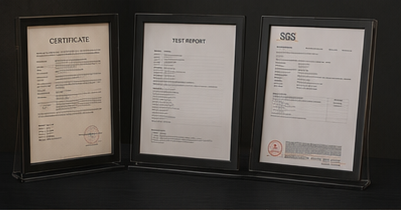
Quality FAQ
Questions About Smart Lock Inspection and Testing
Answers about finished-lock inspection, reliability testing, outgoing sampling and quality documentation.
Does every finished smart lock undergo functional inspection?
Does every smart lock model undergo the same reliability tests?
How are outgoing batches sampled?
Are salt spray, waterproof and cycle-test reports available?
How is an approved sample used during production?
Related Buyer Guidance
Continue with the guide that owns the evaluation method.
Use the pre-shipment inspection checklist to organize product identity, sample approval, batch checks, documents, packaging, and shipment evidence.
Review Model-Specific Quality Information
Confirm the Quality Plan for Your Selected Smart Lock
Tell us the target market, door application, selected model and required reports. We can then confirm the applicable inspection scope, reliability tests and available quality documents.
Visit the Jinhua Production Base