
OEM/ODM Guides / Decision Guide
Smart Lock OEM Sample to Production Process
The sample-to-production handoff is where configuration drift can begin. Use written checkpoints so the approved sample, files and purchase order describe the same product.
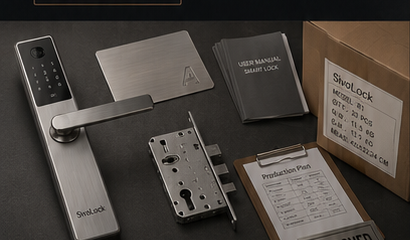
Approved model, finish, lock body, app and function package
Resolved sample issues and accepted deviations
Golden-sample photos and retained physical references
Final logo, packaging, label and manual revisions
Decision Context
What This Guide Helps You Confirm
An OEM sample may include temporary artwork, hand-applied labels or pre-production components. Mark every deviation so the buyer knows what remains to be completed before production.
The release package should combine product configuration, approved appearance, app option, hardware kit, packing list, manuals, labels and inspection points. No single sample can carry all this information by itself.
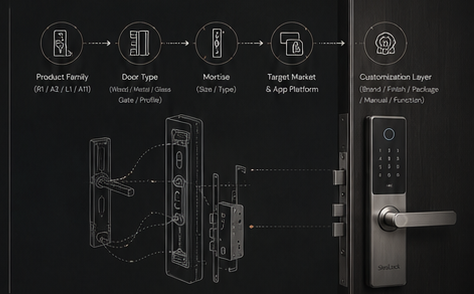
The image slot is reserved for product structure, door condition, material, installation, OEM or quality evidence related to this guide.
Supporting Evidence
Connect the Written Checklist to the Real Product or Door
Use the selected model, representative door and available documents together. Avoid treating a generic image, one feature name or one test value as a complete purchasing decision.
- Keep the candidate model and configuration visible.
- Use labeled photos or drawings instead of loose descriptions.
- Record uncertain items for confirmation before quotation.
- Retain the approved evidence for sample and production review.
Decision Table
Sample-to-Production Gates
Use the table to compare options on the same physical, operational and evidence basis.
| Gate | Required output | Buyer decision | Risk if skipped |
|---|---|---|---|
| Requirement review | Configuration and open-question list. | Approve sample basis. | Sample built to the wrong assumptions. |
| Sample validation | Fit, function, finish and document test record. | Accept, reject or request changes. | Untracked issues move into production. |
| Golden sample | Dated reference and final change list. | Freeze product direction. | Teams compare against different samples. |
| Production release | Final files, packing list and inspection criteria. | Authorize bulk build. | Branding or accessories drift. |
Buyer Process
A Controlled OEM Production Handoff
Move from site or project evidence to a documented model and supply decision.
Confirm target market, door, functions, material, branding and evidence needs.
Document every component and temporary item included in the sample.
Log issues, owners, decisions and final implementation status.
Retain physical and photographic references with final files.
Use the approved configuration, packing set and inspection checklist.
Evidence Boundaries
What This Guide Should Not Be Used to Assume
These cautions keep material, technology, installation and report language tied to the selected model and real site.
The release also needs files, accessories, packing and inspection details.
They can delay material preparation, labels, manuals and packing.
Use a dated change list and close each item before release.
Related Guidance
Continue With Related Product and Project Guidance
Review related guides, product information and support options to close the remaining technical and purchasing questions.
Buyer FAQ
Questions Buyers Ask Before Confirmation
Answers stay cautious where model, market, door or final configuration can change the result.
Can production start while sample changes are open?
Only with a clear risk decision. Critical fit, function, branding and packing items should be closed before release.
What should a golden sample include?
The approved physical product, configuration record, photos, final artwork, packing list and change closure.
Is a pilot order useful?
It can be useful for new configurations or complex projects to verify production and packing before a larger volume.
Ready to Confirm?
Release production from one approved reference package.
Send the sample status, open changes and OEM files. SivoLock can align the remaining approvals before bulk production.
Inquiry Preparation
Turn this guide into a clear supplier inquiry.
Summarize the relevant facts in your RFQ, attach supporting files, and request confirmation for the selected model.
Include application, door data, model preference, quantity, market and the exact document or evidence requested.
Door photos, measurements, drawings, sample records and artwork files reduce back-and-forth.
If the article mentions a report, certification, IP rating or test, request availability for the exact SKU.
| Decision area | Confirm before quotation | Claim boundary |
|---|---|---|
| Inquiry line | We are reviewing Smart Lock OEM Sample to Production Process; please confirm the suitable SivoLock model route. | Gives the supplier a clear, answerable request. |
| Required inputs | Door/application details, target market, quantity, sample timing and preferred functions. | Provides the technical and commercial context needed for a useful response. |
| Evidence request | Datasheet, installation guide, report availability, sample photos or approval files as relevant. | Keeps requested documents tied to the selected model. |
| Follow-up | Continue with the relevant product, material or support information after listing the open questions. | Keeps unresolved requirements visible for supplier confirmation. |
Can this guide replace a final datasheet?
No. Use it to prepare the buying conversation, then confirm selected-model values, reports and packaging details from the latest SivoLock response.
What happens when a value is not available yet?
Leave it open and mark it as configuration-dependent. Do not turn missing certification, IP, factory or test evidence into a public claim.
Send the confirmed inputs and keep any missing proof as an open request. SivoLock can respond with model-specific options, document availability and quotation questions.